Buddhism- Chanting
Chanting a mantra in Buddhism is at the very core of one’s daily
practice. In Japan, many people recite okyo (sacred texts) or
repeat mantras everyday in front of the butsudan (Buddhist
altar). A popular okyo is the heart sutra that you can listen
to here.
Chanting is a common practice in many religions but people often forget
why they chant or never knew the reason. We will explore here
some of the reasons why you should chant everyday and give you some
suggestions of what to chant.
First, what is chanting? A picture is worth a thousand words
as a saying goes and a video is worth a million so please watch this
short video of a group reciting the heart sutra (Japanese
version). Please note that different traditions have
different tempo and speed. This one has a slow tempo, suited
for meditative purposes, it is probably sung by a group of Zen
practitioners.
After the main sutra, the leader in this rendition
starts invoking some Buddhas.
Chanting can be a long text like here (sometimes the text goes on for
an hour or more like the Lotus Sutra) or can be a very short
phrase repeated many times like Om Mani Padme Hum or
Nam Myoho Renge Kyo, chanted by the Nichiren tradition.
Unlike other religious practices, chanting is not considered a prayer
in Buddhism. The practitioner is not asking for anything,
At the origin, chanting was a way of remembering the sutras
and passing it down to the next generation as paper was rare and
expensive and texts had to be memorized to be preserved.
Soon, they discovered the effects of chanting on the body, spirit and
soul.
Chanting has the effect of raising the level of
vibration in the body. This relates to the Kototama,
spiritual words in Japan or sacred sounds in other traditions.
According to this theory, different sounds have
certain effects on the body and even on the universe surrounding us.
(in tantric Buddhism, invocations are considered powerful)
Look for
Chanting:: Discovering Spirit in Sound
feel centered, filled with peace and centered. This is,
according to Robert Gass, author of Chanting:
Discovering Spirit in Sound, because
of different factors:
- Chanting repeatedly activates a “trigger” created by
repetition that puts us in a conditioned state of mind. (just like the
smell of food will make us hungry) - Entrainment, in which the mind-body is set into a certain
mode when it hears a melody or a rhythm. (your body will
start dancing of following the rhythm of a drum beat without you
voluntarily doing it) - Your breath. When chanting, we slow down our
breath and will usually go down to 5 to 8 cycle a minute which is ideal
for healing the body. We usually have around 15 to 20 breath
cycle in a minute. - The sonic effect; chanting long vowels, typical of most
mantras, creates pleasurable vibrations in the body and brain, thus
affecting our brainwaves. - Our
intent also is a factor on the effect chanting has on us. It
goes in pair with the trigger effect discussed in the first point.
We must have intent, create the trigger, repeat it over and
over and soon, just by activating the trigger, we will awaken the
initial intent.
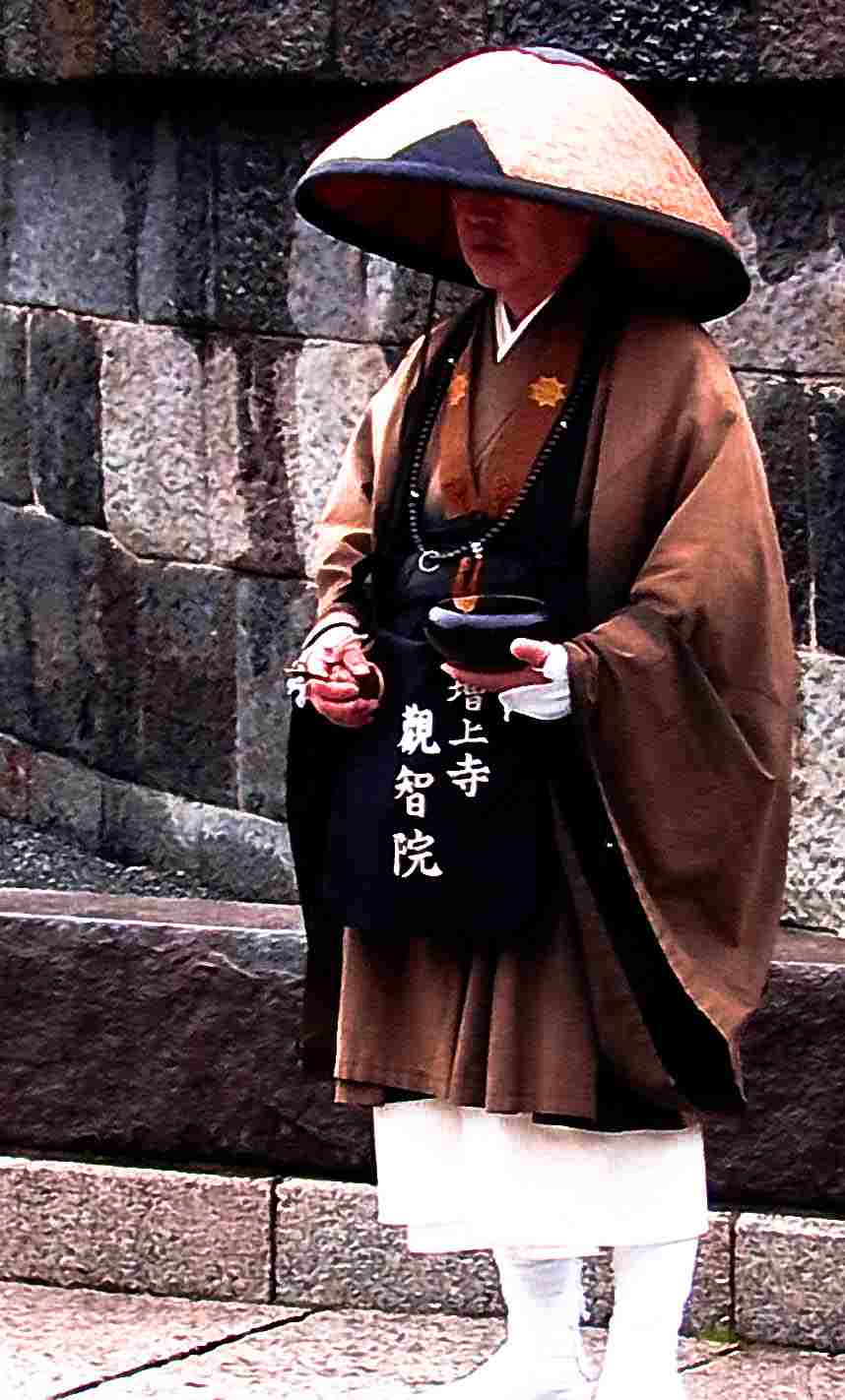
So, why should you chant? It’s easy to answer, really.
You should because it’s good for you. Chanting,
calms your mind, lowers your blood pressure, sharpens your intellect,
empties your mind of worries while you do it, leaving room for
inspiration. It is a form of meditation and a form of healing
for the body and the mind.
If we go a little deeper in the arcane side of the subject,
by chanting you tap into the collective consciousness of all
the others who have done the same chant before you, bringing you a
little closer to the divine or enlightment.
Next, we discuss how to chant.
|
Return |


New! Comments
Have your say about what you just read! Leave me a comment in the box below.